BABY TREK
The Sham Valley Trek, also known as the “Apricot...


Kanji to Padum Trek – A High-Altitude Journey Through Zanskar’s Wild Beauty
The Kanji to Padum trek in the Zanskar region of Ladakh is one of the most spectacular and rewarding high-altitude adventures in the Indian Himalaya. Renowned for its remote landscapes, rugged gorges, and dramatic mountain passes, this route is an excellent alternative to the classic Lamayuru to Padum trek—offering equally breathtaking scenery with far fewer trekkers. Beginning in the quiet village of Kanji, the trail leads across stark, moon-like terrain reminiscent of the Lamayuru region, gradually opening into the vast expanses of Zanskar. Along the way, trekkers pass through isolated hamlets and ancient cultural sites, including a visit to the remarkable Phugtal Monastery, a 10th-century marvel carved into a cliff high above the Phugtal River.
The region is also home to towering Himalayan giants such as Nun and Kun, both soaring above 7,000m, and natural wonders like the 23 km–long Drang Drung Glacier and the lush Suru Valley, making every stage of the journey visually stunning.
Note for trekkers: Between July and October, the ascent to the Kanji La Pass from the northern side can be particularly demanding. Deep snow often blankets the route, posing challenges for horses transporting gear and supplies—even though trekkers themselves can cross with caution. This adds an additional layer of adventure and makes the trek especially suited for experienced hikers seeking a true Himalayan challenge.
Day on the Trek
Each morning, you’ll be gently awakened around 6:30 am with a cup of tea brought to your tent, followed by a small bowl of warm water for washing. Before breakfast, you'll pack your gear into your kit bag, which will be taken by pack animals or porters, and you won’t have access to it until you reach camp later in the afternoon. After a hearty breakfast, we usually hit the trail between 7:30 and 8:00 am, depending on the day’s trek. We’ll typically walk for 3 to 4 hours before breaking for a one-hour lunch, with some staff walking ahead to select a good spot for our rest. The afternoon walk is usually shorter, and we typically reach camp between 3:30 and 4:30 pm. Once camp is set up and the kitchen is ready, afternoon tea will be served. You’ll then have time to rest or explore the surrounding area until dinner, which is usually served between 6:00 and 7:00 pm. Be sure to bring your headlamp and water bottles to the dining tent so they can be filled with boiling water. Evenings on the trek offer some of the most memorable moments, whether it's chatting with fellow trekkers, playing cards, engaging with the local crew, or even joining in some singing and dancing. Much of the joy of an expedition lies in the journey itself.
Time:
Distance:
Elevation Leh : 3500m
Upon arrival in Leh, check in at your hotel and take the day to rest and acclimatize to the high altitude. In the evening meet the local representative and head out to visit Shanti Stupa, Tsemo Monastery and Leh Market. Overnight stay at Deluxe Hotel.
Time: 3hrs Drive
Distance: 40km
Elevation Leh : 3500m
Today, visit the monasteries that offer a profound window into Ladakh’s Buddhist heritage. Hemis Monastery, the largest and wealthiest in the region, is famed for its annual Hemis Festival and its majestic setting amid rugged hills. Thiksey Monastery, often compared to Tibet’s Potala Palace, rises dramatically on a hilltop and houses a magnificent 15-meter statue of Maitreya Buddha, offering panoramic views of the Indus Valley. Overnight stay at Deluxe Hotel.
Time: 3hrs Drive
Distance: 140km
Elevation Lamayuru : 3550m
On this day, we’ll enjoy a scenic drive through Ladakh, visiting the 1,000-year-old Alchi Monastery, renowned for its ancient art and serene atmosphere. Continuing onward, we head to Lamayuru, famous for its dramatic, moon-like landscapes—often called Moonland. Along the way, we’ll pause at stunning viewpoints, including the iconic confluence of the Indus and Zanskar Rivers, where the two mighty waterways meet. The day concludes with an overnight stay at a hotel in Lamayuru.
Time: 2hrs Drive
Distance: 4 kmTrek
Elevation Kanji Village : 3850m
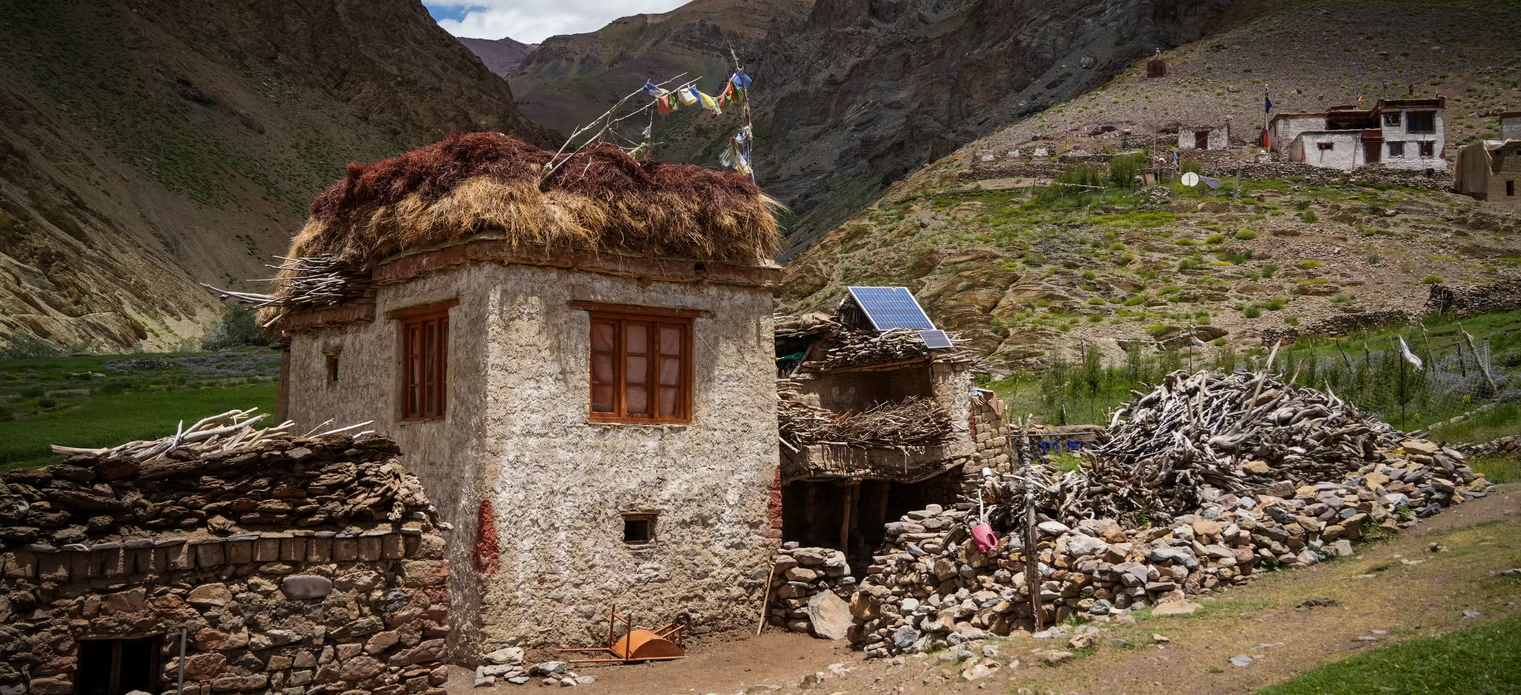
After breakfast, we drive from Lamayuru toward Kanji Village, passing the iconic Lamayuru Monastery and crossing the high Fotula Pass. Descending from the pass, we enter a narrow gorge that gradually opens into the remote settlement of Kanji, a small village of around 20 pastoral families. Upon arrival—after approximately two hours of driving—we settle into our scenic campsite set beside the tranquil Kanji River. In the afternoon, we head out for a 2–3 hour acclimatization walk up the valley, offering a gentle introduction to the rugged landscapes ahead. We return to camp for lunch and spend the rest of the day relaxing and soaking in the peaceful atmosphere of this isolated Himalayan village. overnight stay at Camp
Time: 6hrs
Distance: 13.2km
Elevation: gain/ loss: +480m /-m
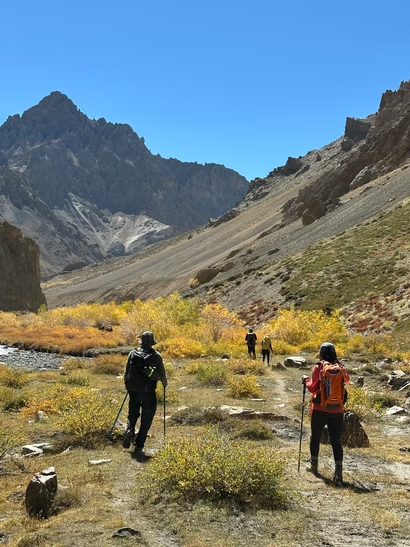
Morning, we begin our trek from Kanji Village towards the Kanji La Basecamp.The trek will take approximately 5-6 hours, during which we will need to cross the river 5-6 times. Along the way, we may encounter shepherds and their homes. The trail leads us to the basecamp, situated at an altitude of 4,350 meters. It's important to carry sandals for the river crossings and walking sticks for support throughout the journey. The scenic route promises a rewarding experience as we ascend towards the basecamp 4324m.
Time:10 hrs
Distance: 14km
Elevation: gain/ loss: +926m/-930m
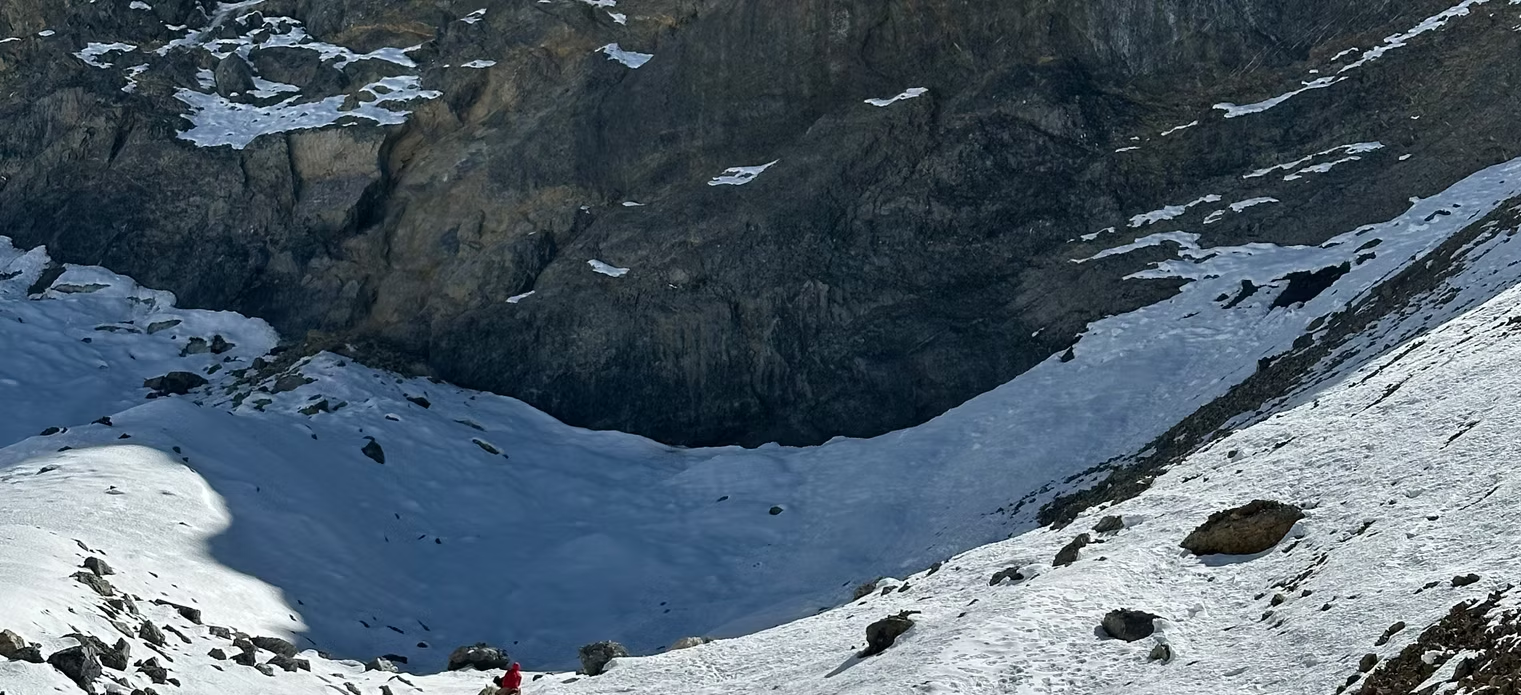
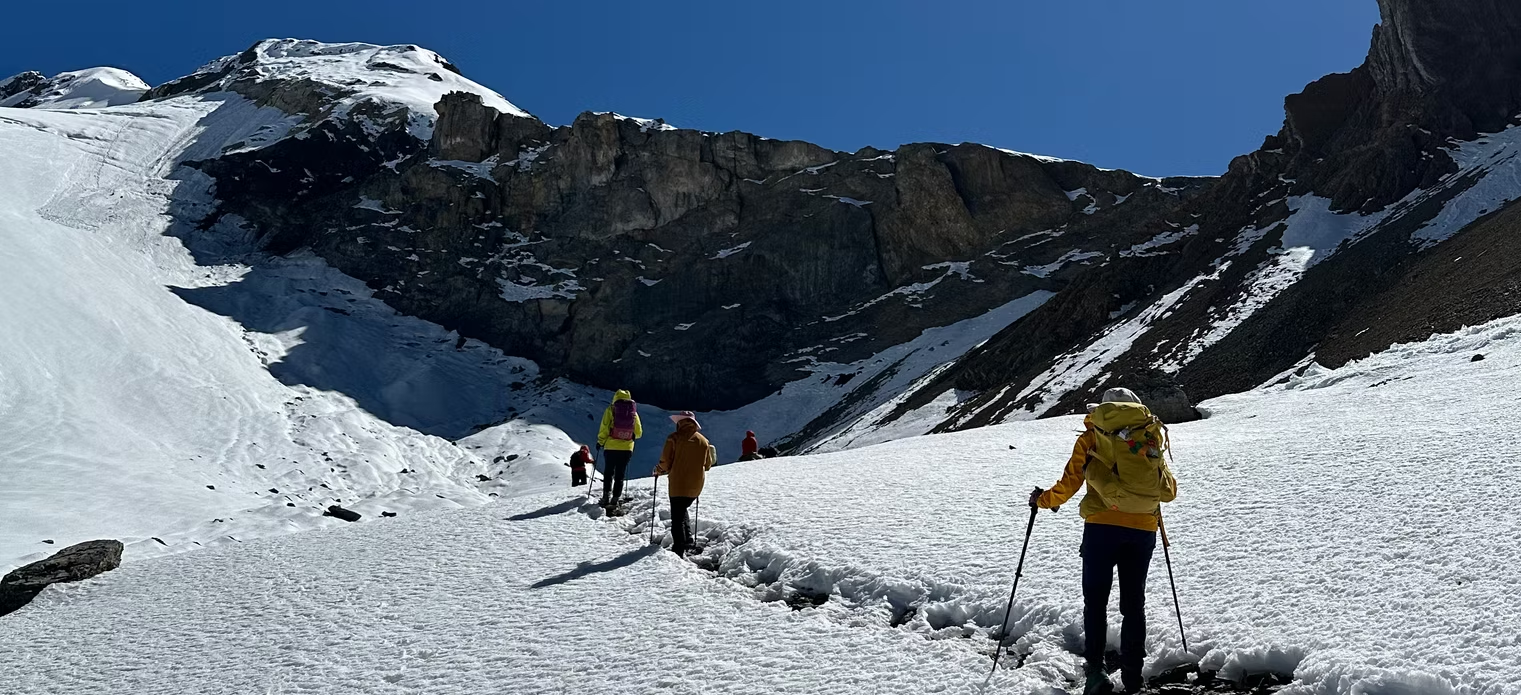
Today will be the longest day of our trek. We start early in the morning and gradually make our way toward the Kanji La Pass (5,250m). The trail is steep and at times narrow, with a continuous ascent. There will likely be sections where we walk on snow for up to an hour, interspersed with scree- covered paths. The trail, having been worn down over the years, is often difficult to follow. After 3-4 hours of steady climbing, we’ll reach the pass, where we’ll be rewarded with breathtaking panoramic views of then mighty Zanskar range, including peaks like Zanskar 1, Nun, and Sun. The descent from the pass is challenging, with scree trails leading us down to the junction of Kanji Sumdho. From there, we’ll continue trekking for another 45 minutes to our campsite Rusdog Dho(4320m). Close to the Kanji La Pass, we’ll also see a stunning glacier. The total trek today will take us about 8-10 hours.
Time:7-8hrs
Distance: 12.5km
Elevation: gain/ loss: +680m/-840m
Rusdog Dho- Pigdong la - Base camp, Rusdog dho which once served as a central pointfor the Dibling and Rangdum villagers, providing a meeting place for herders to manage their grazing areas. In the morning, we’ll need to cross the Rangdum River, just next to our campsite. After getting our feet wet in the cold water, we’ll slowly follow the river’s path, gradually ascending towards the Pigdong La Pass (5,000m). The trail becomes steep and winding, with many zigzag turns as we make our way to the base of Pigdong La. Along the way, we’ll encounter two major water crossings, as well as several smaller crossings, which can be navigated by hopping on stones. The trek today will take around 8 hours, offering both a physical challenge and stunning views along the way.overnight camp at 4160m.
Time:3hrs trek
Distance: 7km
Elevation: gain/ loss: +m/-240m
Trek to to Dibling village, it will be the shortest day of the trek, with just 3-4hours of walking as we follow the river downstream towards Dibling Village. Dibling is one of the last villages in Ladakh still one of the remote villages in ladakh, and it is home to around 10-12 families who primarily rely on agriculture and livestock for their livelihoods. In the summer, the villagers move their livestock to Pigdong La and the surrounding valleys for grazing. We will spend the night in the village, and in the afternoon, we'll have the opportunity to visit the local monastery, offering a peaceful break and a chance to immerse ourselves in the culture of this remote village.
Time: 7hrs trek
Distance: 13.5km
Elevation: gain/ loss: +m/- 70m
Trek from Dibling to Lingshed Sumdho, a journey that involves walking downstream but with numerous gradual ascents and descents. The trail, at times, has been washed away by rain, making the path a bit challenging. As we walk through the gorge between Dibling and Lingshed Sumdho, we’ll pass through areas with lush tree groves, offering a serene and scenic landscape. This region is also home to some wildlife, so there’s a chance we might spot Ibex, Blue Sheep, or even a Himalayan Brown Bear along the way. The trek is not only a physical challenge but also a chance to experience the beauty of Ladakh’s wilderness.
Time:8 hrs trek
Distance: 9.7km
Elevation: gain/ loss: +830m/-680m
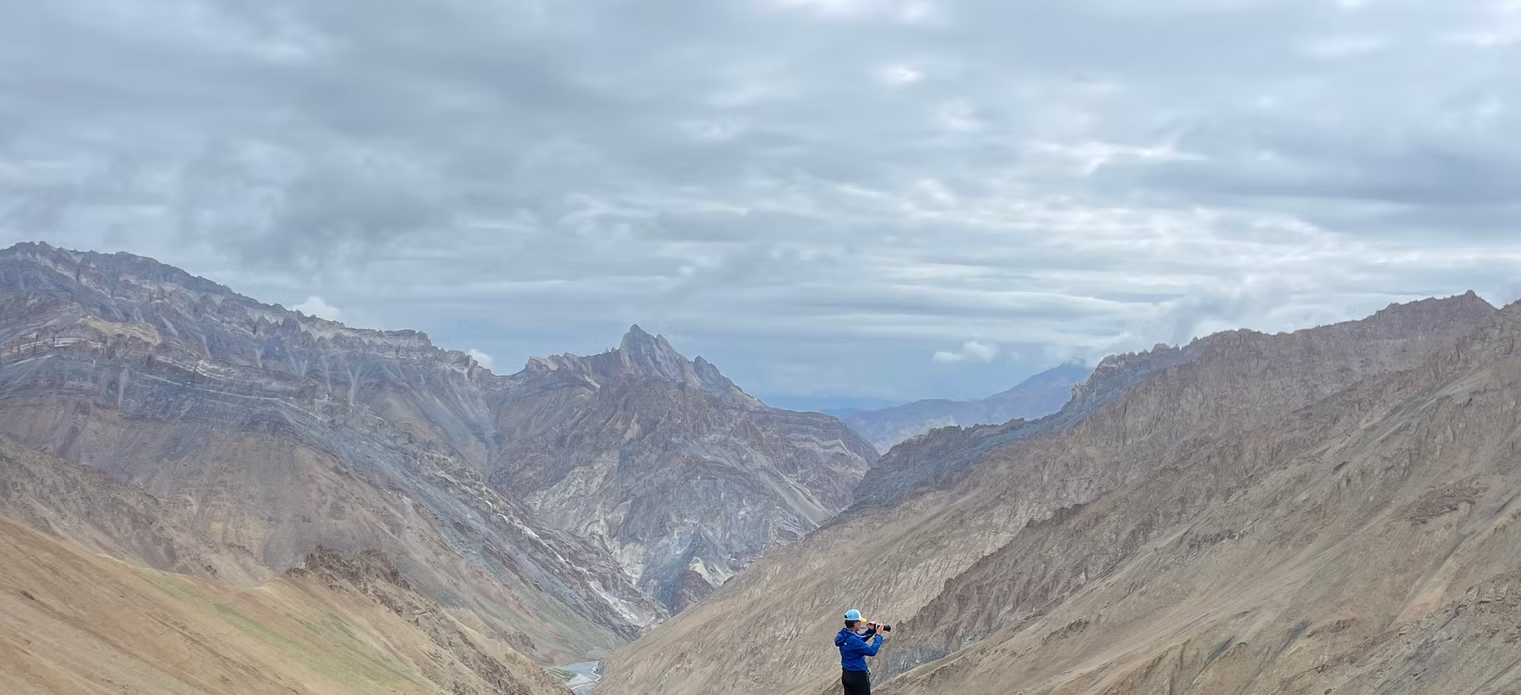
Today we begin our ascent toward the impressive Barmi-La Pass (4,900m). The trail climbs steadily for a little over three hours on a mostly gentle, well-defined path. The final 300 meters are steeper, with a few narrow sections that require careful footing, but the unfolding panorama behind us makes every step worthwhile—snow-capped ranges stretching endlessly across the horizon. As we approach the pass, the trail weaves left and then right before opening onto a wide, windswept plateau crowned with a chorten and fluttering prayer flags. Reaching the top is an exhilarating milestone, revealing breathtaking views down into the valley of Lingshed, with its monastery perched amid a backdrop of towering peaks.After soaking in this inspiring high-mountain scenery, we begin a short but steep descent of about two hours to Lanak Base Camp 4000m, nestled in a peaceful valley.
Optional: Those who wish may continue on a rewarding side trip to visit the Lingshed Monastery, adding an additional 3–4 hours to the day
Time:7-8 hrs trek
Distance: 12.2km
Elevation: gain/ loss: +720m/-979m
We begin the day with a steady ascent toward the Hanumila La Pass 4720m, with the first two hours being fairly steep as we climb out of the valley. Reaching the top is a rewarding moment—the pass offers an impressive 360° panorama of the surrounding mountains and high-altitude landscapes. From the pass, the trail descends gradually into a broad valley. Along the way, we may need to cross several streams, adding a touch of adventure to the day’s journey. As we continue downstream, the valley widens and leads us toward Snerste, our campsite for the night at (3741m).This traditional campsite was once a common overnight stop for local travelers making their way across the region’s high passes, giving it a sense of history and quiet charm.
Time:6-7hrs trek
Distance: 13.1km
Elevation: gain/ loss: +150m/-500m
Begin your day with a short morning ascent toward Parfi La, the final pass of the trek. A gradual one-hour descent brings you to a small teahouse operated by local villagers from Zingchen, where you can take a well-earned break. From here, the trail climbs steadily for another 2–3 hours to reach the top of Parfi La Pass. From the summit, enjoy impressive views of the Zanskar River flowing downstream toward Leh (Nimmo). After soaking in the scenery, continue for another two hours along a gentle descent to reach Hanamur Village,(3400m) where your campsite awaits.
Time:2hrs trek/ 2hrs Drive
Distance: 6.2km
Elevation: gain/ loss: +30m/-m
On the final day of the trek, enjoy a short 2–3 hour walk along mostly gentle trails, with occasional ascents and descents, following the scenic course of the Zanskar River. Upon reaching Pedmo Village, meet your vehicle and drive onward to visit Zangla Fort, Stongdey Monastery, and Karsha Monastery—one of the largest and most significant monastic complexes in the region. Continue to Padum for an overnight stay at a Padum (3669m)hotel.
Time: 4hrs drive
Distance: 120km
Elevation Phugtal : 3850m
Padum, the main town and administrative headquarters of the Zanskar region, offers the comfort of hotel accommodation—perfect for a refreshing shower and well-deserved rest after the trek. Today, you will drive from Padum to visit the remarkable Phugtal Monastery before returning to town for the night.Perched dramatically on a cliffside, Phugtal Monastery is one of the most iconic and remote monastic sites in Zanskar. Built around a natural cave believed to have been visited by ancient sages and scholars, the monastery dates back to the early 12th century and is associated with the Gelugpa tradition of Tibetan Buddhism. Its unique cave setting and centuries-old spiritual heritage make it one of the most fascinating cultural landmarks in the region. O/n stay at Padum Hotel.
Padum - Kargil
Time: 7hrs drive
Distance: 229km
Elevation Kargil : 2676m
Today, begin your scenic drive from Padum toward Kargil, a journey that offers some of the most spectacular landscapes in the Zanskar region. As the road winds through high mountain passes and deep valleys, you’ll be treated to sweeping views of the mighty Zanskar Range. One of the major highlights of the drive is the stunning Drang-Drung Glacier—an immense, winding river of ice that appears almost surreal against the rugged mountain backdrop. Continue onward through dramatic terrain, passing remote settlements and towering peaks, before gradually descending toward Kargil, where you will conclude the day.
Time: 5hrs drive
Distance: 220km
Elevation Leh : 3500m
Today, drive from Kargil to Leh, a scenic journey filled with cultural and natural highlights. En route, visit the impressive 10th-century Maitreya (Future Buddha) statues, remarkable examples of ancient rock-carved Buddhist art that reflect the region’s deep spiritual heritage. The road continues through striking mountain landscapes, offering ever-changing views of craggy peaks, high-altitude plateaus, and charming villages. As you approach Leh, the route follows the Indus River, creating a beautiful ribbon of green amid the rugged terrain. Arrive in Leh town by late afternoon and settle in for the evening. O/n stay at Leh Hotel.
USD 2550 Per Person (Group Trek )