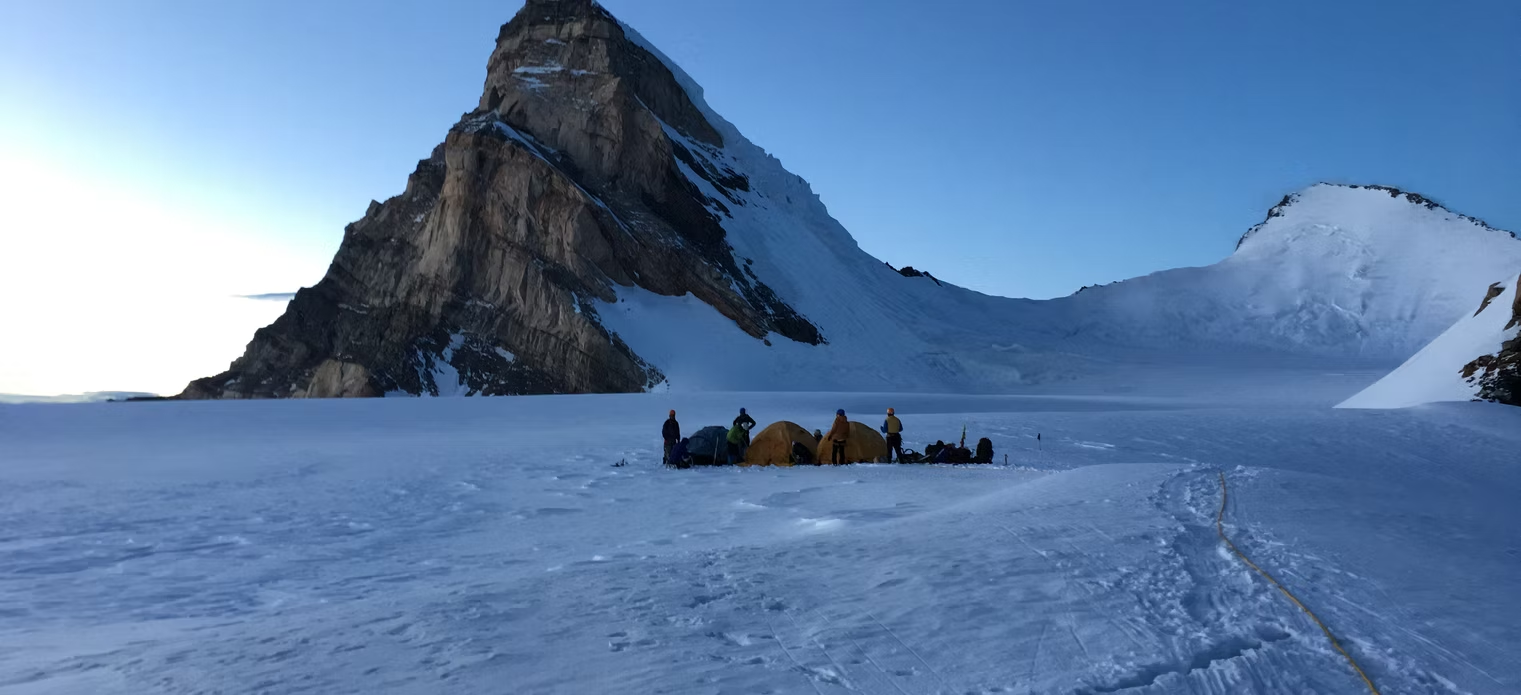
Massif in the Zanskar range of Ladakh, is a coveted peak for serious mountaineers seeking a challenging and rewarding adventure. As the second-highest peak in the region, Kun stands alongside its towering twin, Mount Nun (7135m), separated by a 4km snow plateau. The massif is known for its dramatic landscape, technical climbs, and difficult terrain, making it a prime destination for climbers looking to push their limits.
Why Climb Mount Kun?
Mount Kun offers a thrilling opportunity for mountaineers ready to transition from amateur climbing to more technical expeditions. Its first ascent in 1913, by Mario Piacenza, Lorenzo Borelli, and Ali Rahim, marked a historic moment in mountaineering. However, it wasn't until 1971 that the peak was successfully summited again by an Indian Army expedition, proving its formidable nature. The climb is a true test of endurance, requiring advanced mountaineering skills, high-altitude experience, and the ability to navigate through treacherous terrain, including crevasses, ice walls, and knife-edge ridges.
The Technical Challenge of Kun
Mount Kun's climbing conditions are demanding. With constantly changing weather, fierce winds, and unpredictable terrain, climbers must be prepared for a challenging experience. The mountain’s glacial formations, high-gradient ice walls, and exposed ridges make it a significantly tougher climb than many other 7,000-meter peaks. To successfully summit Kun, climbers must have prior experience in high-altitude environments, with a summit of at least 6,500m under their belt.
Mount Kun Expedition: What to Expect
Expedition packages to Mount Kun are designed with ample time for acclimatization, ensuring climbers can adapt to the harsh altitude. Professional guides and Sherpas with over 15 years of experience running successful expeditions in the region provide expert support, making the journey safer and more manageable. Whether you're looking to push your mountaineering skills or take on a major Himalayan peak, Kun offers an exhilarating, life-changing challenge.
Is Mount Kun Right for You?
For those seeking a demanding, high-altitude climb in the heart of the Himalayas, Mount Kun is the ultimate test. With its technical ascent and stunning views, Kun is a bucket-list destination for experienced climbers. Prepare for a tough but rewarding journey that will push you beyond your limits and provide an unparalleled mountaineering experience.
Summit a 6,200m Himalayan Peak Conquer Mentok Kangri, a rewarding six-thousand-meter ascent offering a perfect mix of challenge, adventure, and high-altitude mountaineering.
Unmatched Views of Tso Moriri Lake Enjoy spectacular panoramas of the turquoise Tso Moriri Lake—from its shores during acclimatization walks to breathtaking end-to-end views from the summit.
Scenic Drive Through Ladakh’s Cultural Heart Visit ancient monasteries such as Thiksey, Alchi, and Lamayuru, and explore dramatic landscapes including Moonland and the Indus–Zanskar confluence.
Rich Ladakhi Culture & Nomadic Life Travel through traditional Changthang nomadic villages, encountering local culture, high-altitude pastoral life, and centuries-old Buddhist heritage.
Varied & Beautiful Trekking Terrain Experience an exciting mix of alpine meadows, rocky moraines, narrow ridges, deep valleys, and high mountain passes throughout the journey.
Proper Acclimatization for Safe Ascent Multiple acclimatization days, scenic practice hikes, and time spent at altitude ensure a safe and well-prepared climb to the summit.
Wildlife & High-Altitude Landscapes Spot unique Himalayan wildlife and enjoy dramatic views of surrounding peaks, including Chamsher, Lungsher, and the vast Tibetan Plateau.
Itinerary
Day 1 - 21 Mail for Detail Itinerary
Includes/Excludes
Expert mountaineering guides
Skilled local staff who has ample knowledge of the route.
Transportation from Leh to Trek Point and Trek Point to Leh.
Vegetarian / NON- VEG meals on the trek (Breakfast/Lunch/Dinner)
Stay in HOMESTAY/ CAMPING
Stay in Alpine/Dome Tents on Triple
Common Kitchen/Dining/Toilet tents will be used during the trek
Cooks/Helper/ Horses and other requisite staff.
Porters for carrying common equipments (like rations/tents/utensils/groceries)